Capacity Development Strategies for Local Governments in Africa
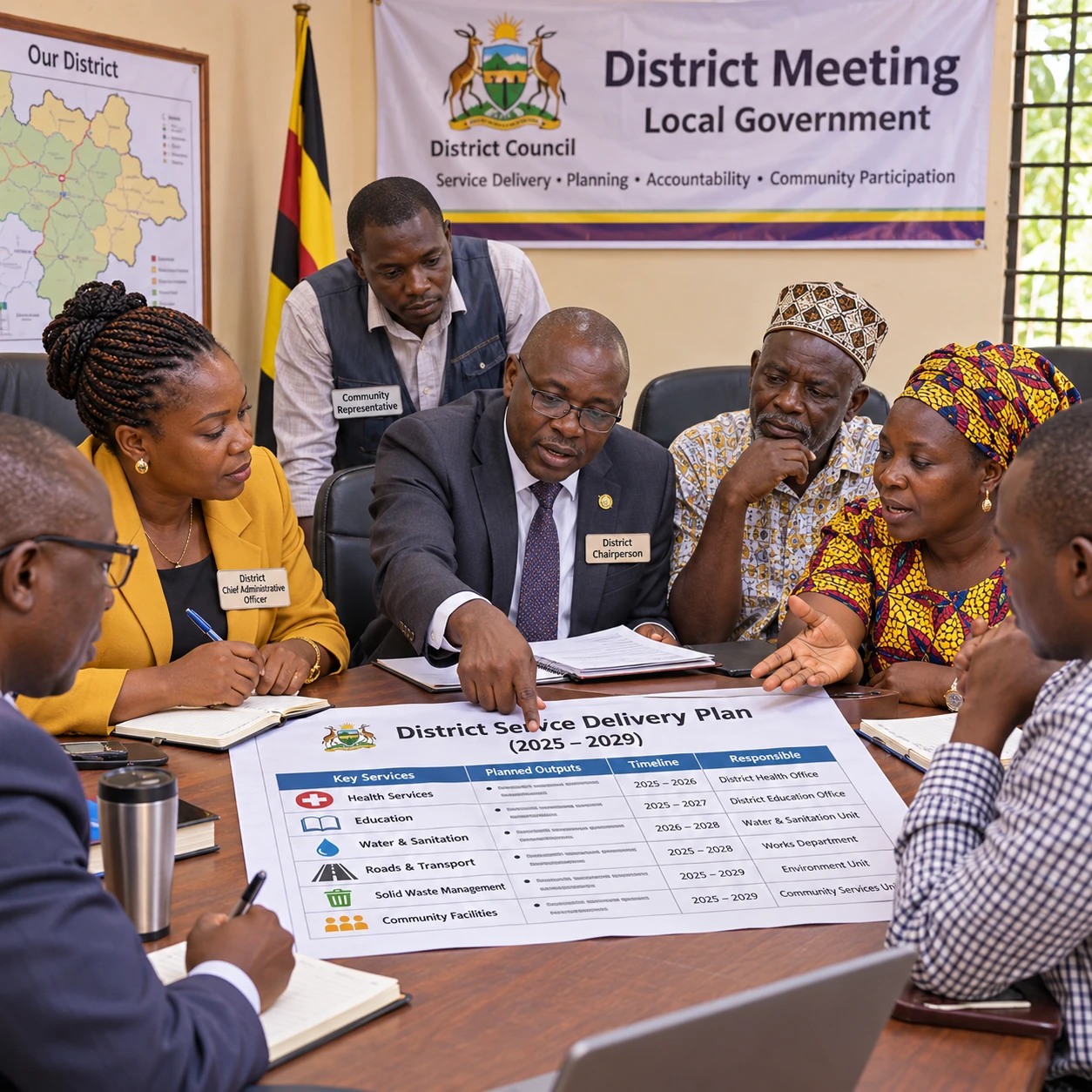
Local governments turn public policy into everyday services, from local roads and waste management to market oversight and community facilities. Effective capacity development helps them deliver those responsibilities with the people, systems, resources, and authority available in their specific setting.
There is no single model for Africa’s local governments. Mandates, revenue powers, staffing levels, settlement patterns, and relationships with national or regional authorities vary widely. Strong strategies start with that context and connect workforce development to institutional capacity, public financial management, and community priorities.
What capacity development means for local governments
Capacity development is the ongoing work of strengthening people’s skills, an organization’s systems, and the conditions that allow it to perform. For local government, it means building the ability to plan, manage resources, coordinate responsibilities, and provide accountable local service delivery.
Training can help, but it is only one part of the picture. A skilled finance officer cannot produce reliable budgets if the council lacks usable financial data, clear procedures, or predictable funding. Likewise, a sound planning system will have limited effect if staff do not know how to apply it or residents have no meaningful way to share priorities.
A useful way to assess capacity is through three connected questions:
- People: Do elected leaders and staff have the knowledge, skills, and support required for their roles?
- Organization: Are mandates, workflows, information, and accountability arrangements clear enough to get work done?
- Enabling conditions: Do legal authority, funding, intergovernmental relationships, and political or administrative incentives support performance?
This approach places capacity development within wider public sector management. It also guards against blaming individual workers for problems caused by unclear decentralization arrangements or gaps in resources.
Common capacity gaps and their local context
Common capacity gaps include shortages of specialized staff, constrained budgets, weak coordination, and inconsistent administrative systems. Which challenge matters most depends on the local mandate, available resources, and institutional setting.
Some councils struggle to recruit or retain planners, engineers, procurement specialists, or financial managers, particularly where qualified staff have few opportunities for advancement. Others have capable employees but face high workloads, limited equipment, incomplete records, or systems that rely on paper processes. These pressures can affect service delivery even when staff are committed.
Coordination presents another challenge. Responsibilities may be shared across municipal, district, regional, and national bodies. If roles are unclear, projects can be delayed or duplicated. Decentralization may transfer duties without providing the matching funds, authority, or technical support needed to carry them out.
Administrative conditions also differ between urban, rural, and rapidly growing communities. A large city may need stronger land-use planning and revenue administration; a rural council may prioritize transport access, basic infrastructure, or shared technical services across a wide area. Avoid generic gap assessments. Compare local responsibilities with actual staffing, budgets, systems, and community expectations, then identify which constraints the council can address directly and which require intergovernmental action.
Build capable, accountable local leadership and workforces
Local governments build stronger leadership and workforces by linking role-specific learning to coaching, clear expectations, and opportunities to apply new skills. This makes workforce development part of daily management rather than a series of disconnected workshops.
Begin with the work the council must deliver. For each priority function, identify the tasks, competencies, and decisions involved. A procurement officer may need practice preparing specifications and managing contract records; a ward administrator may need skills in public consultation and complaint handling. Training should use local forms, regulations, budgets, and realistic work scenarios wherever possible.
Support learning after the course. Managers can set short practice goals, review examples of completed work, and arrange peer exchanges between departments or neighboring councils. Coaching is particularly useful when staff are learning a new budgeting, planning, or digital reporting process. Keep the expectations concrete: for example, “submit a complete quarterly expenditure report by the agreed deadline” is easier to assess than “improve financial skills.”
Leadership development matters, too. Elected officials and senior administrators need shared understanding of mandates, oversight, ethics, and the boundary between policy direction and administrative execution. Succession planning can reduce disruption when experienced staff leave. Document essential procedures, identify backup responsibilities, and pair less experienced employees with knowledgeable colleagues.
Common mistake: sending staff to training without adjusting workloads or providing tools to use the new skills. The result is often little change in practice. Before commissioning a course, confirm that staff have authority, time, supervision, and resources to apply what they learn.
Strengthen systems for planning, finance, and service delivery
Stronger planning, financial, and operational systems help local governments turn priorities into funded work and reliable services. The key is to connect these systems so that plans, budgets, procurement, implementation, and reporting inform one another.
Start with a manageable planning cycle. Link community priorities and statutory plans to a short list of annual objectives, named delivery leads, costs, and realistic timelines. When revenue is uncertain, councils can distinguish essential commitments from projects that depend on additional funding. This is more useful than approving a long plan that cannot be financed.
Public financial management should support decisions, not exist only to satisfy reporting requirements. Strengthen budget preparation, revenue forecasting, expenditure tracking, procurement planning, and the recording of assets. Regular reviews can help managers spot underspending, delayed contracts, or cost changes early enough to respond. Simple, consistent records are often more valuable than sophisticated software that staff cannot maintain.
Use service data that answers practical questions: Which neighborhoods receive collection services? How long do permit applications take? Are infrastructure repairs completed on schedule? Disaggregate results where feasible so that averages do not conceal differences between communities. Assign an owner to each data set and establish a basic process for checking accuracy before decisions rely on it.
Cross-department coordination makes the system work. A road project may involve planning, finance, procurement, engineering, and community engagement. A short monthly review of priority projects, bottlenecks, and next actions can reveal problems that departmental reports miss. The trade-off is staff time, so keep meetings focused and use existing management routines where possible.
Make capacity development locally led and inclusive
Capacity development is more relevant when local officials and communities help define the problems, priorities, and measures of success. Local leadership improves fit, while community participation can reveal service needs that administrative data alone may miss.
Start with a practical diagnosis rather than a preselected training package. Invite departments, elected representatives, frontline workers, civil society, and residents to identify where a service or process is failing. Use accessible methods, such as ward meetings, service-user feedback, and review of complaints. Make deliberate efforts to hear from groups who may be underrepresented, including women, young people, people with disabilities, and remote communities.
Participation works best when the council closes the feedback loop. Explain which suggestions can be acted on, which require more funding or another level of government, and why. Publishing a brief record of decisions helps build trust and prevents consultation from becoming a one-off event with no visible result.
Intergovernmental collaboration can fill gaps that individual councils cannot solve alone. Regional or national authorities may provide technical standards, shared training, specialist advice, or pooled procurement. Neighboring local governments can exchange templates and expertise. These arrangements should clarify who provides support, who owns the work, and how local priorities remain central.
Adapt the format to local conditions. Where travel is costly, combine in-person sessions with local peer learning or remote support when connectivity allows. Digital tools can speed coordination, but they should not become a barrier for staff or residents with limited internet access. The right approach is the one local institutions can use consistently.
Track results and sustain progress
Local governments can sustain capacity development by setting a few measurable goals, reviewing progress regularly, and building successful practices into routine procedures and budgets. Monitoring and evaluation should show whether the work is changing management and services, not just counting training sessions.
Use a simple results chain: activity, practice, service outcome. For example, a procurement coaching initiative may lead to more complete tender files, fewer avoidable delays, and more predictable delivery of maintenance contracts. Track a small number of indicators at each stage, using information the council can collect reliably.
For each priority, record a baseline, target, responsible person, data source, and review date. Measures might include the share of departments submitting budget reports on time, the proportion of planned projects with documented procurement steps, or the time required to resolve service complaints. Set targets that reflect local starting points and resources; a measure that cannot be verified will not guide decisions.
Use quarterly or otherwise regular management reviews to ask what changed, what stalled, and what should happen next. Monitoring and evaluation is most useful when findings lead to a decision: revise a workflow, provide targeted coaching, reallocate resources, or raise a mandate or funding issue with another level of government. Record lessons in standard operating procedures, induction materials, and annual work plans so progress does not depend on one champion.
Frequently asked questions
What does capacity development mean in local government?
It means strengthening staff and leadership skills, organizational systems, and enabling conditions so a local government can carry out its responsibilities and provide services. Training is one tool within that broader process.
Which capacity gaps should local governments address first?
Prioritize gaps that block essential services or statutory duties and that the council can realistically influence. Check whether the underlying issue is a skills need, unclear responsibility, weak workflow, limited funding, or a constraint requiring support from another government.
How can local governments sustain staff development?
Connect learning to real tasks, provide coaching and supervision, document key procedures, and include development goals in routine work plans. Succession planning and peer learning help preserve knowledge when staff change roles.
How can communities contribute to capacity development?
Residents can identify service problems, help set priorities, and provide feedback on whether improvements are working. Councils should explain how public input informs decisions and what constraints prevent some requests from being addressed immediately.